

Vin de Constance – all vintages & magnums
Klein Constantia · since 1685
Vin de Constance – all vintages
One of the world’s most celebrated sweet wines – explore our wide range of vintages, available in bottles and selected magnums. See all the scores and add your favourites straight to your basket.
Explore the vintages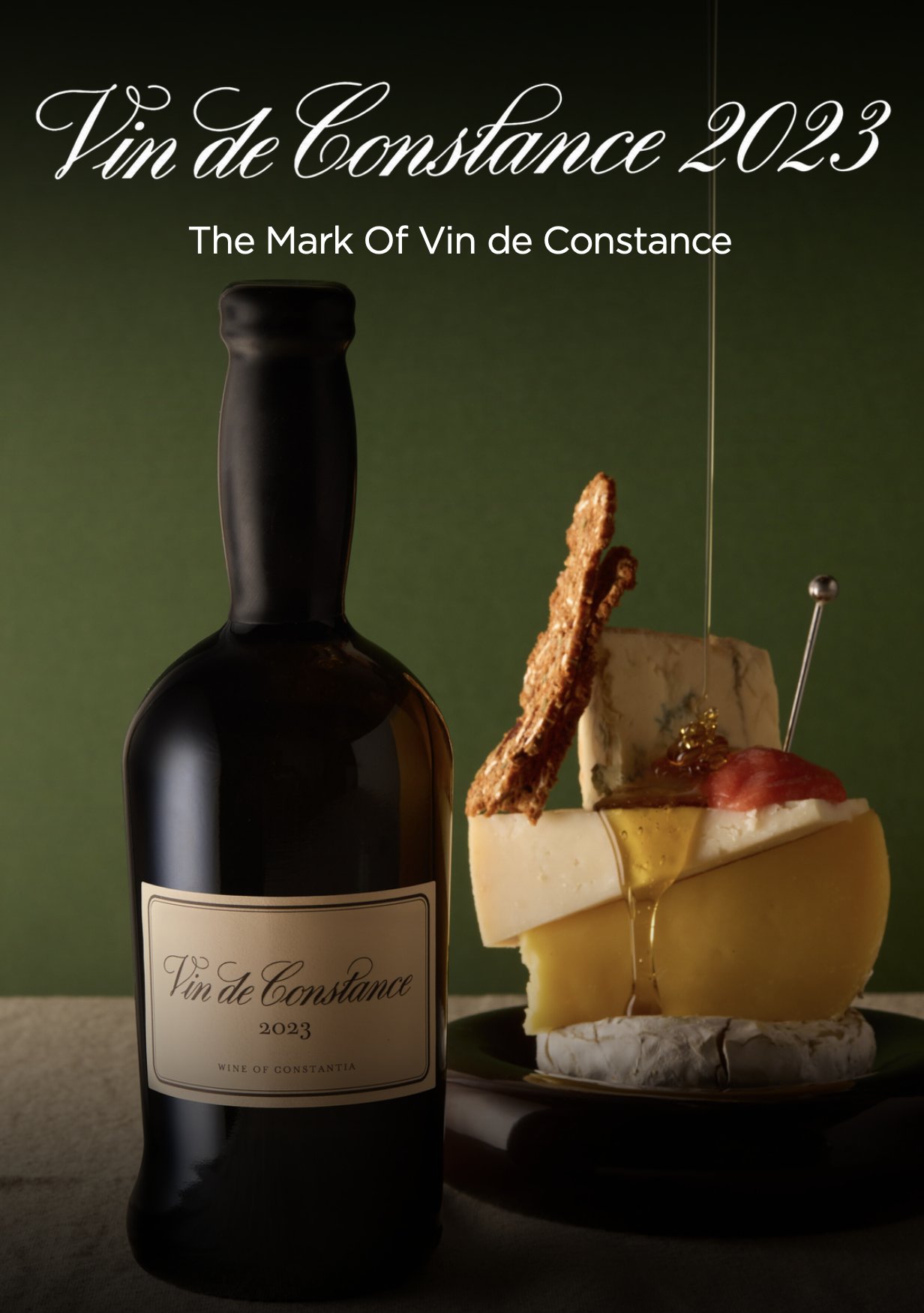
All vintages at a glance
| Vintage | Top score | Sizes | Price |
|---|---|---|---|
| 2023 | 100 pts | 0,5 l | from € 77,90 |
| 2022 | 98 pts | 0,5 l | from € 77,90 |
| 2021 | 99 pts | 0,5 l | from € 78,90 |
| 2020 | 97 pts | 0,5 l · Magnum | from € 82,90 |
| 2019 | 98 pts | 0,5 l · Magnum | from € 89,90 |
| 2018 | – | 0,5 l | from € 85,80 |
| 2017 | – | 0,5 l · Magnum | from € 97,70 |
| 2016 | – | 0,5 l · Magnum | from € 102,10 |
| 2015 | – | 0,5 l | from € 107,60 |
| 2014 | – | 0,5 l · Magnum | from € 129,90 |
| 2010 | – | 0,5 l | from € 259,00 |
Vin de Constance 2023
The 2023 vintage is all about balance and precision. A warm, dry winter brought early budbreak, while cooler summer days slowed ripening and preserved vibrant acidity. Despite lower yields and smaller berries, the vintage delivered grapes with exceptional concentration, freshness and structure.
The harvest was one of the latest and longest in recent years, running from 14 February to 18 April, with around 25 passes through the vineyards – picking everything from fresh, ripe berries to naturally raisined grapes. After two weeks of skin contact, the wine fermented slowly for around two months until fermentation stopped naturally. It then matured for 18 months in 500-litre barrels (50 % new) made from French, Austrian and Hungarian oak, followed by another year in 4.200-litre foudres.
In the glass: lime zest, marmalade, butterscotch and baked cheesecake, alongside fig jam, apricot and quince. On the palate, a slightly lower sugar level brings freshness and balance, while subtle vanilla and oak spice add elegance. The long finish combines richness, vibrancy and delicate spice.
- Harvest
- 14 February – 18 April (25 passes)
- Grape variety
- Muscat de Frontignan, 45 % bush vines, 55 % trellised vines
- Ageing
- 18 months in 500-l barrels (50 % new), then 1 year in foudre
- Blend components
- 18
- Alcohol
- 14,2 %
- Residual sugar
- 162 g/l
- Acidity / pH
- 5,9 g/l / 3,7
- Bottled
- 24 April 2026
2023 scores
- 100 points – Jane Anson
- 99 points – James Suckling
- 98 points – The Drinks Business
- 98 points – Le Figaro Vin
- 97 points – Tim Atkin
- 97 points – Falstaff

Vin de Constance 2022
Tasting notes: Klein Constantia’s Vin de Constance has a brilliant golden-yellow colour. Intense aromas of apricot, mango and candied orange unfold on the nose, accompanied by nutmeg and delicate citrus notes. The palate is silky, with beautifully integrated acidity highlighting ripe peach and mango flavours, rounded out by subtle spice.
2022 scores
- South African Wine of the Year – James Suckling
- 98 points – The Drinks Business
- 97 points – Jane Anson
- 97 points – Greg Sherwood MW
- 97 points – James Suckling
- 97 points – Decanter
- 96 points – Vinous
- 96 points – Tim Atkin
Vin de Constance 2021
Tasting notes: Klein Constantia’s Vin de Constance has a brilliant golden-yellow colour. Intense aromas of apricot, mango and candied orange unfold on the nose, accompanied by nutmeg and delicate citrus notes. The palate is silky, with beautifully integrated acidity highlighting ripe peach and mango flavours, rounded out by subtle spice.
2021 scores
- Natural Sweet Wine of the Year 2025 – Platter's
- 99 points – Forbes
- 98 points – Jane Anson
- 98 points – Tim Atkin
- 97 points – Vinous
- 95 points – James Suckling
Vin de Constance 2020
Tasting notes: Klein Constantia’s Vin de Constance has a brilliant golden-yellow colour. Intense aromas of apricot, mango and candied orange unfold on the nose, accompanied by nutmeg and delicate citrus notes. The palate is silky, with beautifully integrated acidity highlighting ripe peach and mango flavours, rounded out by subtle spice.
2020 scores
- 97 points – Joanna Simon
- 96 points – Wine Spectator
- 96 points – Tim Atkin SA Report
- 96 points – James Suckling
- 95 points – Vinous
- 95 points – Jane Anson
- 19,5/20 – Weinwisser
- 19+/20 – Matthew Jukes

Vin de Constance 2019
Tasting notes: Klein Constantia’s Vin de Constance has a brilliant golden-yellow colour. Intense aromas of apricot, mango and candied orange unfold on the nose, accompanied by nutmeg and delicate citrus notes. The palate is silky, with beautifully integrated acidity highlighting ripe peach and mango flavours, rounded out by subtle spice.
2019 scores
- 98 points – Decanter
- 98 points – Greg Sherwood MW
- 98 points – Jane Anson
- 97 points – James Suckling
- 97 points – Anthocyanes
- 97 points – Vinous
- 97 points – Le Figaro
- 96 points – Tim Atkin SA Report
- 96 points – tasteTainment
- 19+/20 – Matthew Jukes
Vin de Constance 2018
Tasting notes: Klein Constantia’s Vin de Constance has a brilliant golden-yellow colour. Intense aromas of apricot, mango and candied orange unfold on the nose, accompanied by nutmeg and delicate citrus notes. The palate is silky, with beautifully integrated acidity highlighting ripe peach and mango flavours, rounded out by subtle spice.
Vin de Constance 2017
Tasting notes: Klein Constantia’s Vin de Constance has a brilliant golden-yellow colour. Intense aromas of apricot, mango and candied orange unfold on the nose, accompanied by nutmeg and delicate citrus notes. The palate is silky, with beautifully integrated acidity highlighting ripe peach and mango flavours, rounded out by subtle spice.
Vin de Constance 2016
Tasting notes: Klein Constantia’s Vin de Constance has a brilliant golden-yellow colour. Intense aromas of apricot, mango and candied orange unfold on the nose, accompanied by nutmeg and delicate citrus notes. The palate is silky, with beautifully integrated acidity highlighting ripe peach and mango flavours, rounded out by subtle spice.
Vin de Constance 2015
Tasting notes: Klein Constantia’s Vin de Constance has a brilliant golden-yellow colour. Intense aromas of apricot, mango and candied orange unfold on the nose, accompanied by nutmeg and delicate citrus notes. The palate is silky, with beautifully integrated acidity highlighting ripe peach and mango flavours, rounded out by subtle spice.
Vin de Constance 2014
Tasting notes: Klein Constantia’s Vin de Constance has a brilliant golden-yellow colour. Intense aromas of apricot, mango and candied orange unfold on the nose, accompanied by nutmeg and delicate citrus notes. The palate is silky, with beautifully integrated acidity highlighting ripe peach and mango flavours, rounded out by subtle spice.
Vin de Constance 2010
Tasting notes: Klein Constantia’s Vin de Constance has a brilliant golden-yellow colour. Intense aromas of apricot, mango and candied orange unfold on the nose, accompanied by nutmeg and delicate citrus notes. The palate is silky, with beautifully integrated acidity highlighting ripe peach and mango flavours, rounded out by subtle spice.

The story
The wine of kings, emperors and poets
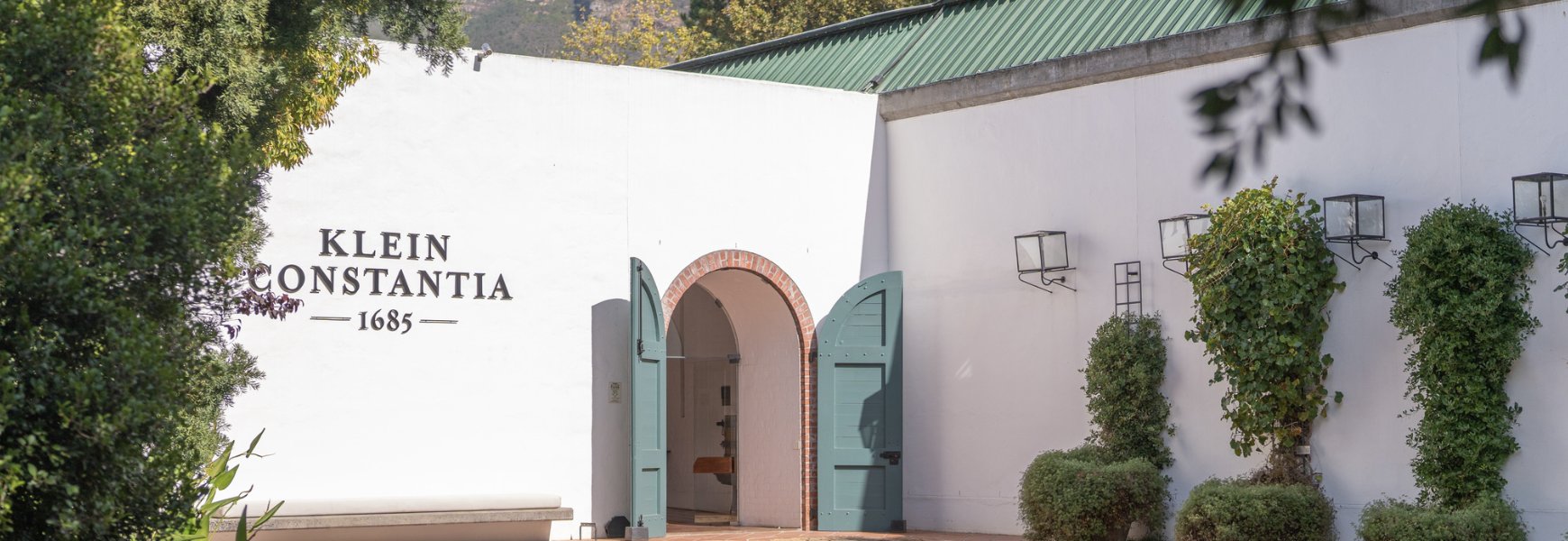
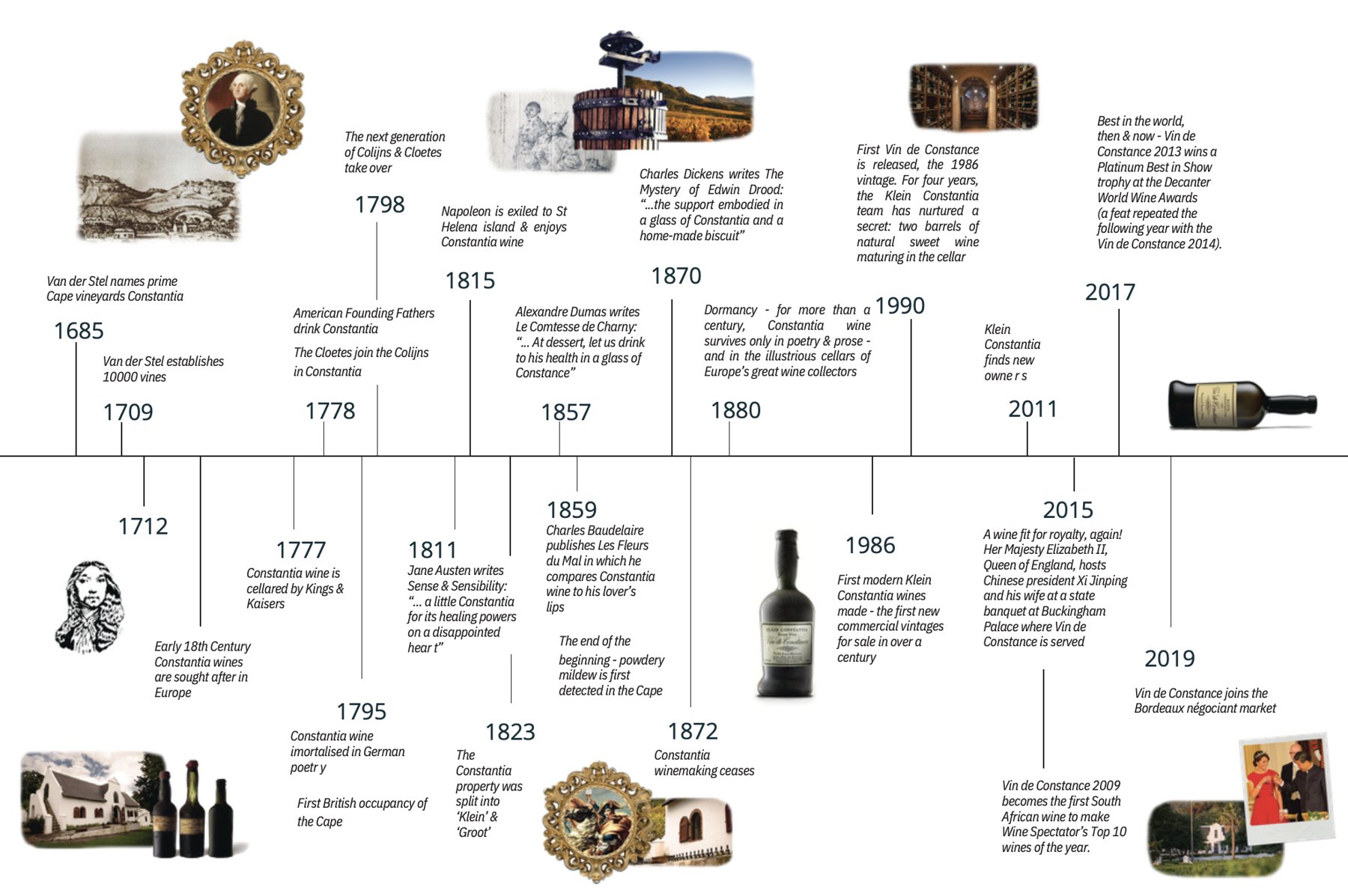
In 1685, Simon van der Stel, commander of the Dutch East India Company at the Cape, was granted land at the foot of the Constantiaberg, chosen for its weathered granite soils and cooling sea breezes. As early as 1692, the first wine from Constantia was described as being “of far higher quality than anything sent before”.
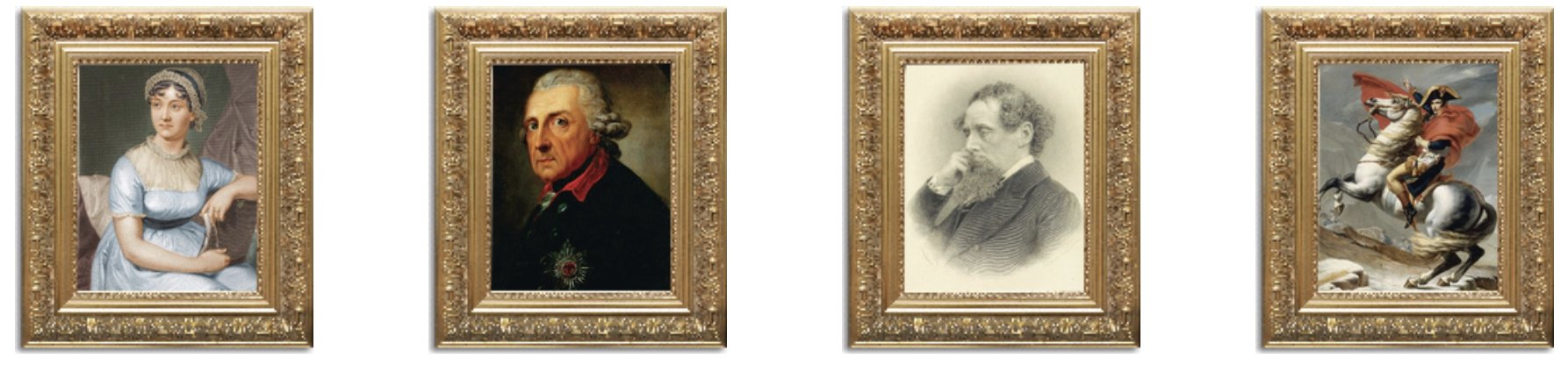
Constantia’s sweet wine soon became famous around the world. Frederick the Great and Louis XVI were admirers, as were George Washington and John Adams, while Napoleon had it shipped to him in exile on St Helena. Jane Austen recommended it in Sense and Sensibility for a “disappointed heart”, while Charles Dickens and Charles Baudelaire immortalised it in their writing.
Vine diseases and bankruptcies brought production to an end in the late 19th century. It was not until the 1980s that the Jooste family revived the wine at Klein Constantia. Today, the estate ranks among the world’s finest (number 6 in the World's Best Vineyards) and is recognised as Africa’s best vineyard. Matthew Day has been in charge of winemaking since 2012.
Timeline: 1685 to today
Swipe sideways to explore.
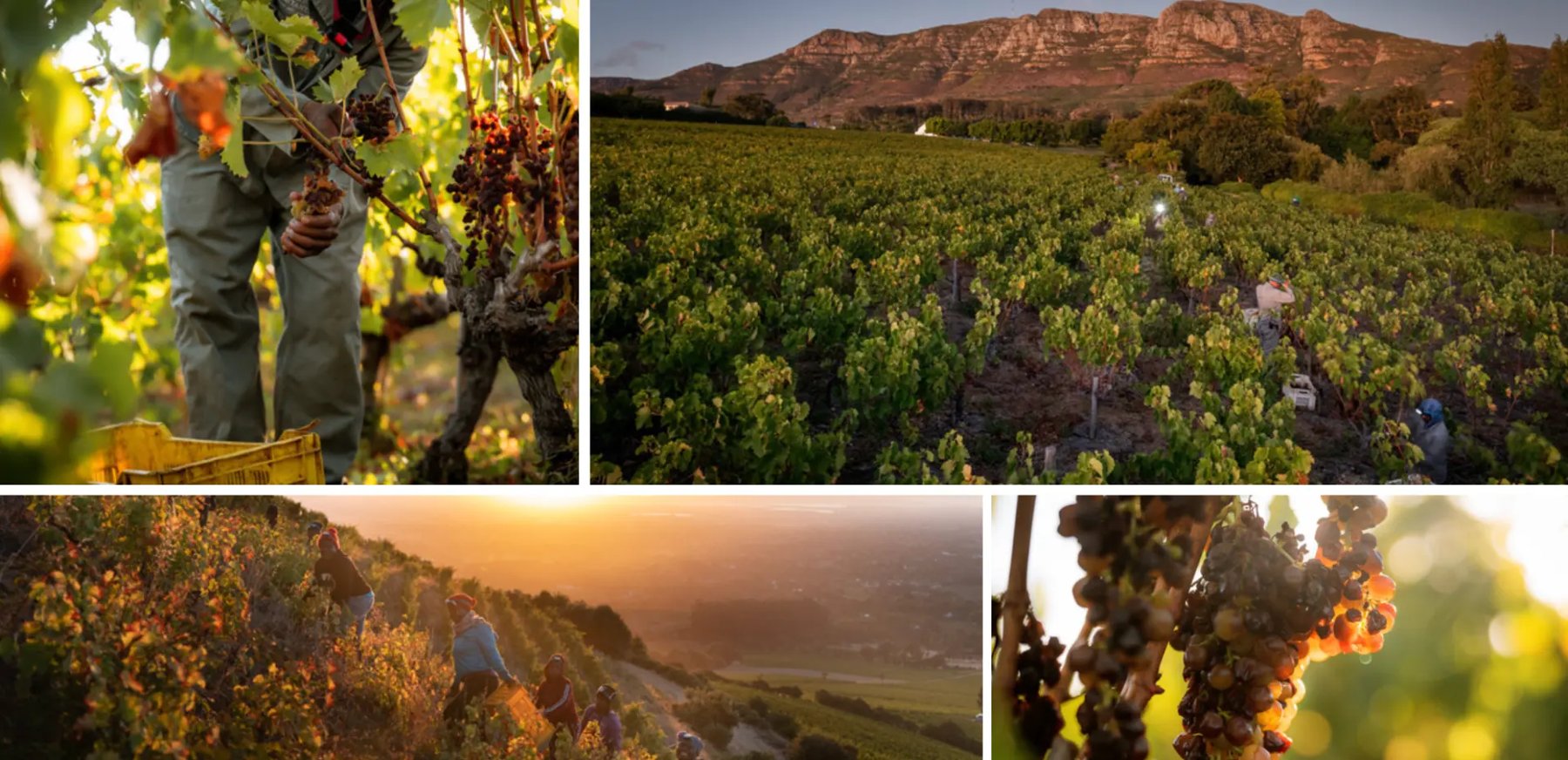
Harvested by hand
Berry by berry, in up to 25 passes
The Muscat de Frontignan grapes are picked by hand over many passes through the vineyard – from ripe berries with fresh acidity to individual berries that have raisined on the vine, concentrating their sugars. These raisins form the “Essencia”, the heart of Vin de Constance.
The winemaker
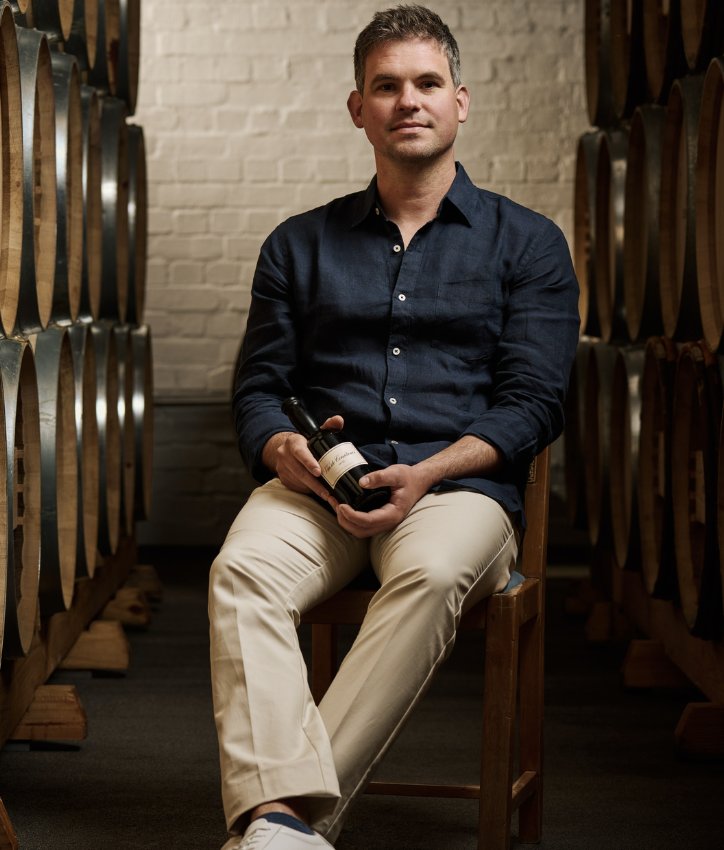
Matthew Day
Klein Constantia has had just three head winemakers in the modern era: Ross Gower, Adam Mason and, since 2012, Matthew Day. After studying in Stellenbosch, Matthew gained experience at estates including Meerlust and Château Belefont-Belcier in St-Émilion, as well as in the Barossa and Napa Valley.
He joined Klein Constantia as Assistant Winemaker in 2008 and took charge of winemaking in 2012. Tim Atkin named him Young Winemaker of the Year in 2016.
Good to know
Frequently asked questions
What’s the difference between a bottle and a magnum?
The standard bottle holds 0,5 litres. The magnum (1,5 litres) is available only for selected vintages and in limited quantities. Wine ages particularly slowly in this larger format.
How long can I cellar Vin de Constance?
Vin de Constance is made for long ageing. Store the bottles on their sides in a cool, dark place.
Which grape variety is Vin de Constance made from?
It is made from 100 % Muscat de Frontignan. The oldest vines (planted in 1983) descend from cuttings of the original vine brought to the Cape in the 1650s. Klein Constantia grows both trellised vines and bush vines, just as in the early days.
Is Vin de Constance an ice wine or a noble-rot wine?
Neither. Vin de Constance is a naturally sweet wine. The grapes are hand-picked over many passes through the vineyard, from ripe berries with fresh acidity to grapes that have raisined on the vine. Fermentation stops naturally, without fortification.
How sweet is Vin de Constance?
The 2023 vintage has 162 g/l of residual sugar and 14,2 % alcohol. The estate aims to make a wine whose sugar gives it plenty of richness without tasting overly sweet, thanks to the balance between sugar, acidity and alcohol.
How much Vin de Constance should I pour?
A 0,5-l bottle serves around 6–8 small glasses. Once opened, the wine keeps for several days in the fridge if tightly sealed.
What temperature should I serve Vin de Constance at?
Serve lightly chilled, at around 10–12 °C. Too cold, and its aromas become muted.
What food pairs well with Vin de Constance?
Blue cheese and aged hard cheeses, foie gras, or desserts with apricot, quince or caramel – or simply enjoy it on its own to round off a meal.
Which vintage should I choose?
Younger vintages offer more fruit and freshness, while older vintages develop notes of honey, dried fruit and spice. Tasting two vintages side by side is a great way to discover the differences.