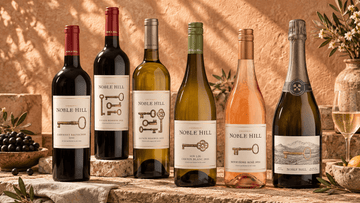




How is rosé wine made? The secrets of rosé production
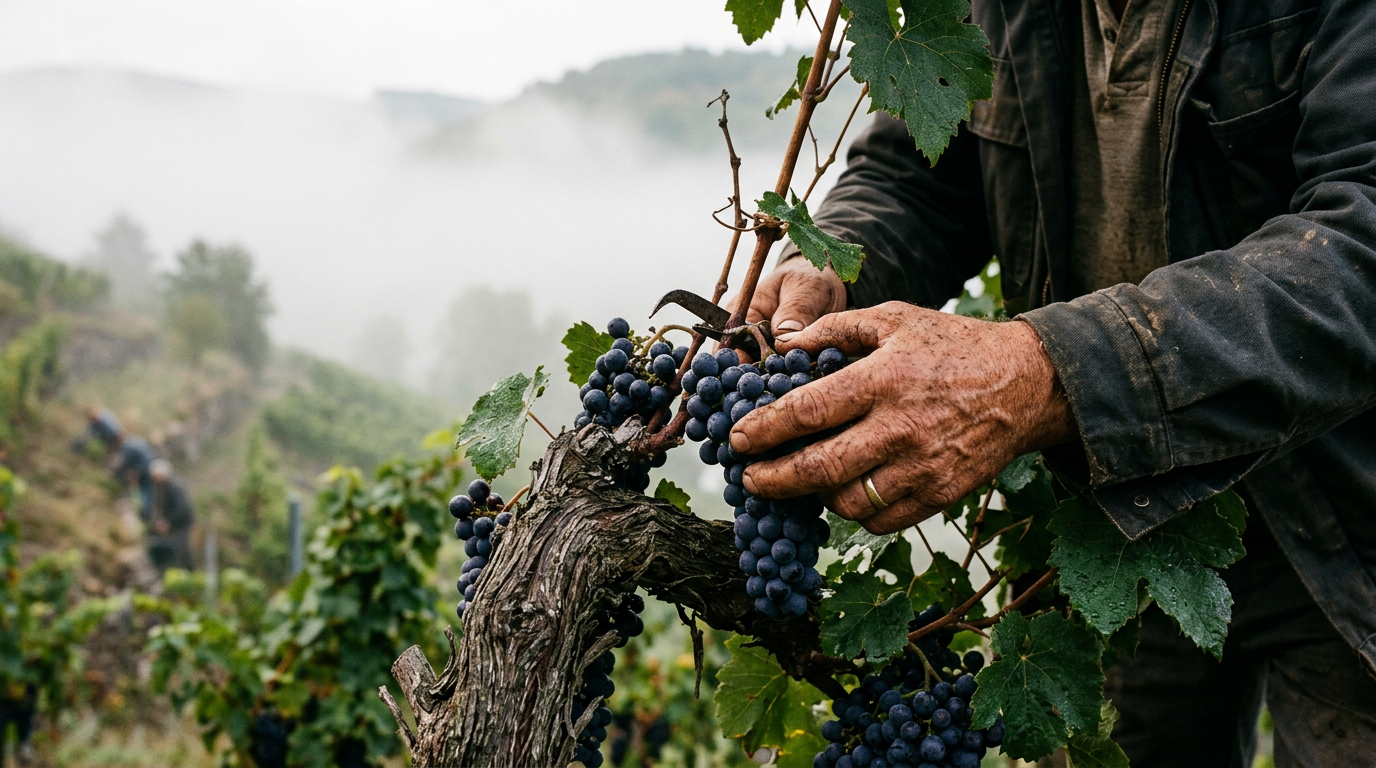
Short answer: Rosé wine is mainly made using three methods: direct pressing, where blue-black grapes remain on the must for only a short time; the Saignée method, where must is drawn off from a red wine production; or short maceration, similar to red wine production but with significantly shorter skin contact. The aim is always to achieve the desired pale red to salmon hue and fresh, fruity aromas without extracting the deep tannins and colour pigments of a red wine.
The basics: Which grapes are used and what makes them special?
Only blue-black grape varieties are used for rosé wine, just as they are for red wine. The decisive difference lies in the production process: contact between the juice and the colour-giving grape skins is extremely brief or minimal. The result is the characteristic range of rosé colours, from delicate salmon pink to vibrant raspberry red, along with a spectrum of fresh, fruity aromas that make rosé so popular.
- Colour: The pigments are found in the grape skins, not the flesh. The longer the contact, the darker the rosé.
- Aroma: Typical notes include red berries (strawberry, raspberry), citrus fruits, peach and flowers.
- Grape varieties: Grenache, Pinot Noir, Cinsault, Syrah, Tempranillo and Cabernet Sauvignon are popular rosé grapes.
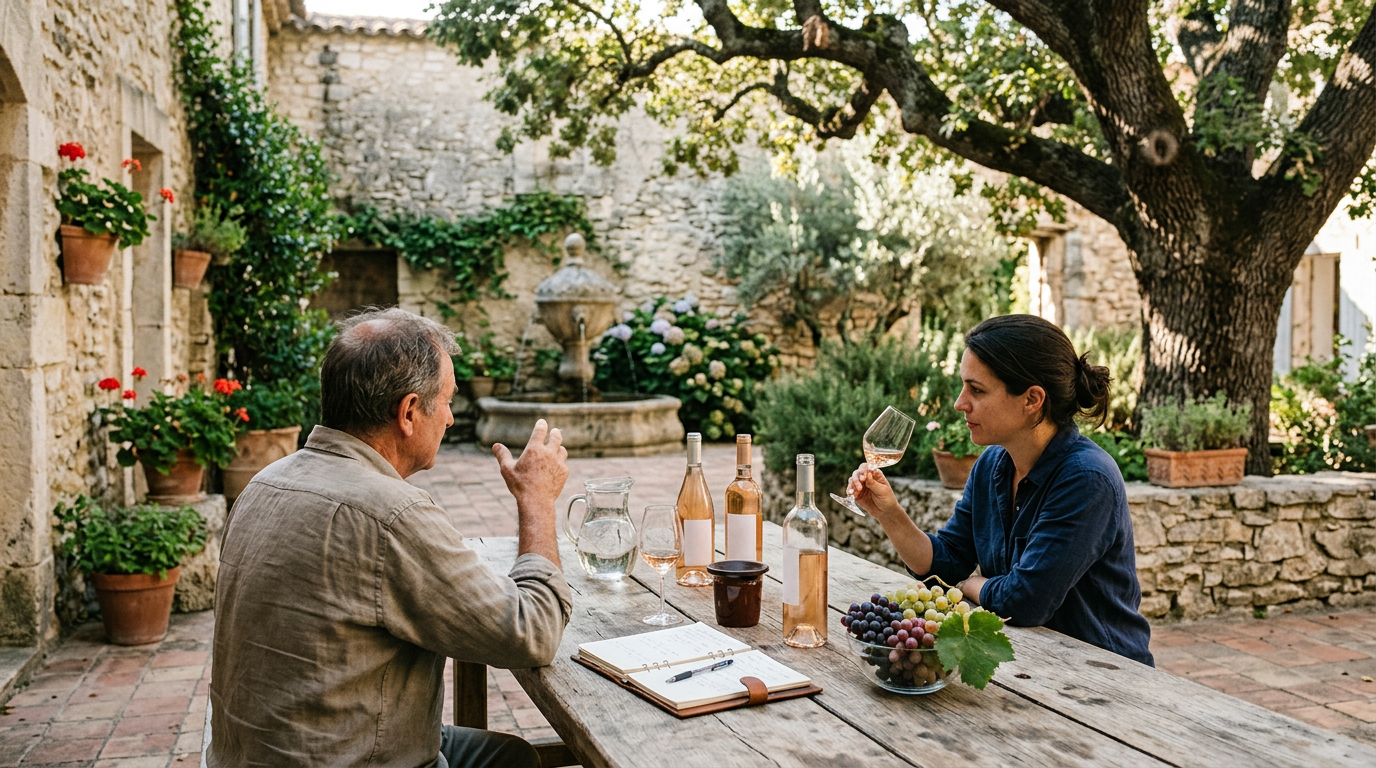
Direct pressing: The fastest route to rosé
Direct pressing is the most common method for high-quality, pale rosé wines, particularly in Provence. Here, blue-black grapes are treated like white grapes: they are harvested, pressed promptly, and the juice has minimal or no contact with the grape skins. The light colour that develops is the result of the short journey from vineyard to press, during which the skins come into contact with the must for a brief time. The result is often very pale, elegant rosés with delicate aromas and refreshing acidity.
Skin-contact time: For more colour and intensity
With this method, also known as “short maceration”, the blue-black grapes are left in contact with their skins for a few hours after being destemmed and crushed (often 2 to 24 hours). During this time, colour and some aromatic compounds are extracted from the skins into the must. Once the desired colour intensity has been reached, the must is pressed and fermented like white wine. This method allows the Winemaker to control the rosé’s colour more precisely and achieve somewhat more intense fruit aromas. A good example is often found in fuller-bodied South African rosé wines, which gain their vibrant colour and expressiveness in this way.
The Saignée method (bleeding): A “by-product” of red wine
The Saignée method, French for “bleeding”, is actually a technique used to concentrate red wine. A portion of the must is drawn off shortly after red wine maceration begins - usually after 6 to 24 hours. The remaining must in the tank, destined for red wine, becomes more concentrated because it now contains a higher proportion of skins relative to the amount of liquid. The drawn-off must is then fermented separately into rosé wine. Rosé wines made using the Saignée method are often deeper in colour and fuller in flavour than those made by direct pressing, as they have had longer skin contact and usually come from vineyards optimised for red wine production. Although this method is less common, it often produces highly distinctive rosés.
Rosé cuvées: An exception
While blending red and white wine to make rosé is strictly prohibited in most quality wine regions, there are some exceptions. The best-known is Champagne, where rosé Champagne is often made by adding a small amount of red wine to the white base wine. In other regions, this is permitted only for sparkling wines or is subject to very specific local regulations. For still wines, blending red and white wine is generally not permitted, in order to preserve the quality and authenticity of the rosé.
From must to finished rosé: Fermentation and ageing
Regardless of the method chosen, the rosé must is then fermented, usually in stainless steel tanks at carefully controlled cool temperatures. This slow, cool fermentation helps preserve the fresh, fruity aromas. Some Winemakers also experiment with ageing in oak barrels to give the rosé additional complexity and texture, but this is relatively uncommon. After fermentation and a short period of maturation - often on the fine lees - the rosé is clarified and bottled to showcase its youth and freshness at their best. Many of the popular rosé wines you’ll find at The WineStore undergo this gentle process to develop their unique character. Also discover our appealing rosé packages to explore different styles.
Matching wines at The WineStore
At The WineStore, we value rosé wines made with passion and expertise using the finest methods. Discover our carefully selected rosés from leading Winemakers in South Africa and Europe, known for their freshness, elegance and individual character. We invite you to explore our range and find your perfect companion for warm days or special occasions. Your next favourite rosé is already waiting for you!
Frequently asked questions
Which grapes are used for rosé wine? Only blue-black grape varieties such as Grenache, Pinot Noir, Syrah and Tempranillo are used for rosé wine, just as they are for red wine. The difference lies in the processing, where contact between the juice and the colour-giving skins is minimised.
What is the difference between direct pressing and the Saignée method? With direct pressing, blue-black grapes are pressed immediately, giving the juice minimal skin contact and producing a very pale rosé. The Saignée method, on the other hand, involves drawing off must from a red wine fermenter to concentrate the red wine, with the extracted juice fermented into a rosé that is often deeper in colour.
Can rosé wine be blended? In most quality wine regions, blending red and white wine to make rosé is strictly prohibited. Exceptions exist for some sparkling wines, such as rosé Champagne, where a small proportion of red wine may be added.
How long does skin contact last for rosé wine? Skin contact for rosé wine is very brief and typically lasts between 2 and 24 hours. This time is crucial for extracting the desired colour intensity and aromas from the grape skins before the must is pressed.